Turmeric Under the Microscope: What the Latest Science Really Says
By Palang Holistic · July 8, 2026 · 8 min read
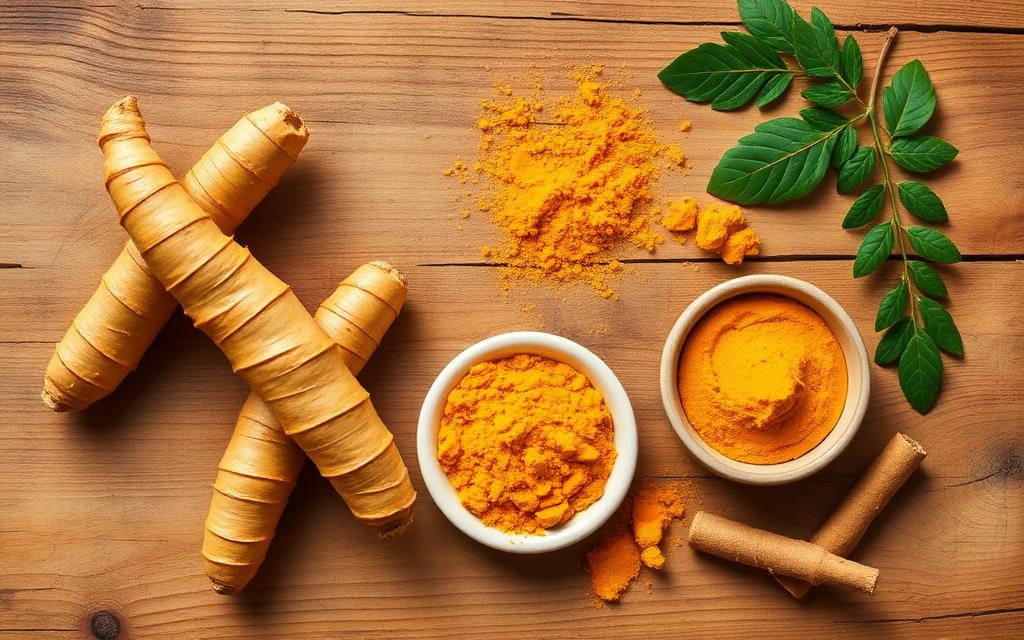
Turmeric — the golden spice at the heart of countless traditional kitchens and medicine cabinets — has been used across Asia for thousands of years. What was once folk wisdom is now one of the most heavily researched botanicals in the world, with thousands of published studies exploring its active compounds. At the center of that research is curcumin, the pigment that gives turmeric its vivid color and most of its studied biological activity.
The headline finding, repeated across decades of laboratory and clinical work, is that curcumin appears to influence inflammation. Chronic, low-grade inflammation is now understood to sit underneath many of the conditions that erode quality of life with age — from joint discomfort to metabolic and cardiovascular strain. Curcumin has been shown in studies to interact with molecular signaling pathways involved in the inflammatory response, which is why researchers keep returning to it as a compound of interest.
Some of the most encouraging clinical work has looked at joint comfort and mobility. Several trials have compared curcumin preparations against placebo — and in some cases against conventional anti-inflammatory medications — in people with knee osteoarthritis, reporting meaningful improvements in comfort and function with a favorable tolerability profile. The research is still maturing, and studies vary in quality and formulation, but the direction has been consistent enough to keep turmeric firmly on scientists' radar.
Newer avenues of research are more surprising. Investigators have studied curcumin's antioxidant activity, its potential role in supporting mood and cognitive health, its effects on exercise recovery and muscle soreness, and its influence on metabolic markers. It's important to be clear-eyed here: much of this work is early-stage, and turmeric is not a cure for anything. But the breadth of plausible mechanisms is precisely why it remains one of the most actively investigated natural compounds.
There's a catch that every serious study runs into, and it's the most practical takeaway of all: curcumin is poorly absorbed on its own. Eaten as a spice, most of it passes through the body without ever reaching the bloodstream in meaningful amounts. This is why research formulations pair it with piperine (a compound from black pepper that can dramatically increase absorption), blend it with fats, or use specially engineered delivery systems. If you're taking turmeric for wellness rather than flavor, absorption is the single biggest factor separating a golden latte from something your body can actually use.
Turmeric also belongs to a wider botanical family that traditional medicine has long prized — the same family of warming, root-based herbs that includes ginger and fingerroot (Boesenbergia rotunda), the herb behind our VITAsip. Across Thai and broader Asian traditions, these roots share a reputation for soothing, warming, and rebalancing the body, and modern science is gradually unpacking the compounds behind those effects.
So where does that leave you? The most honest summary is this: turmeric is a genuinely promising, well-studied botanical with real (if still-emerging) evidence behind its anti-inflammatory and joint-support reputation — best used consistently, in a well-absorbed form, as one supportive piece of a broader healthy lifestyle rather than a magic bullet. As always, check with your physician before adding a concentrated supplement, especially if you're pregnant, nursing, or taking medication.
Curious how herbal allies like turmeric and fingerroot fit into your own routine? Our Wellness Consultation covers natural products, herbal remedies, vitamins, and supplement strategies tailored to you — so you can build a plan grounded in both tradition and evidence.